
How Window Treatments Improve Home Value
Window treatments are often viewed as a finishing detail, yet they play a meaningful role in shaping how a home looks, feels, and functions on a daily basis. Beyond aesthetics, they influence comfort, privacy, and energy performance, all of which affect how residents experience a space and how buyers evaluate it. As homeowners look for practical upgrades that improve usability without requiring structural changes, window treatments continue to stand out as a smart, versatile improvement that blends design appeal with everyday performance and long-term value.
1. Aesthetic Appeal
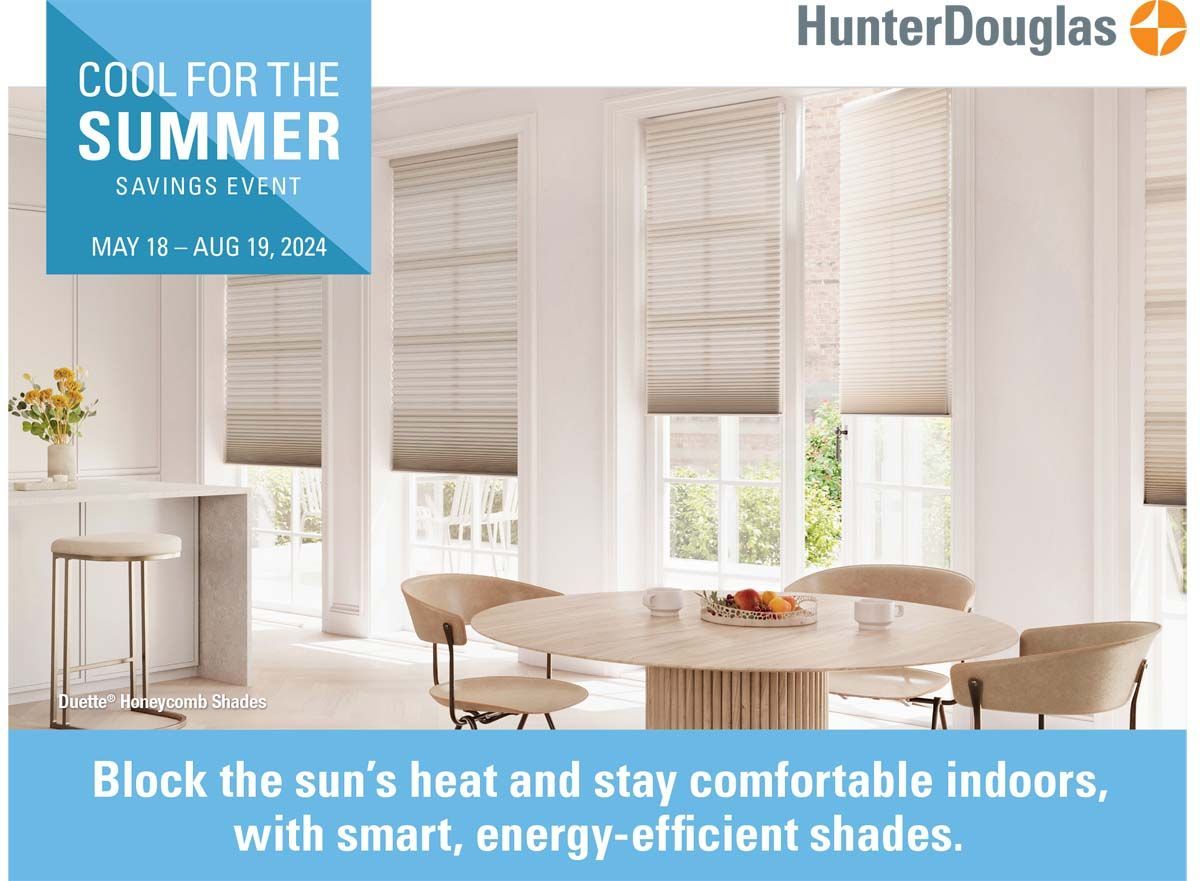
Visual impact is one of the strongest advantages window treatments bring to a space, especially when they are selected with intention rather than as an afterthought. They add depth, texture, and color while helping tie furniture, wall finishes, and architectural elements together in a cohesive way. Well-chosen window treatments can highlight focal points, soften harsh lines, and visually balance a room, making interiors feel more polished and complete while reinforcing the overall design direction of the home.
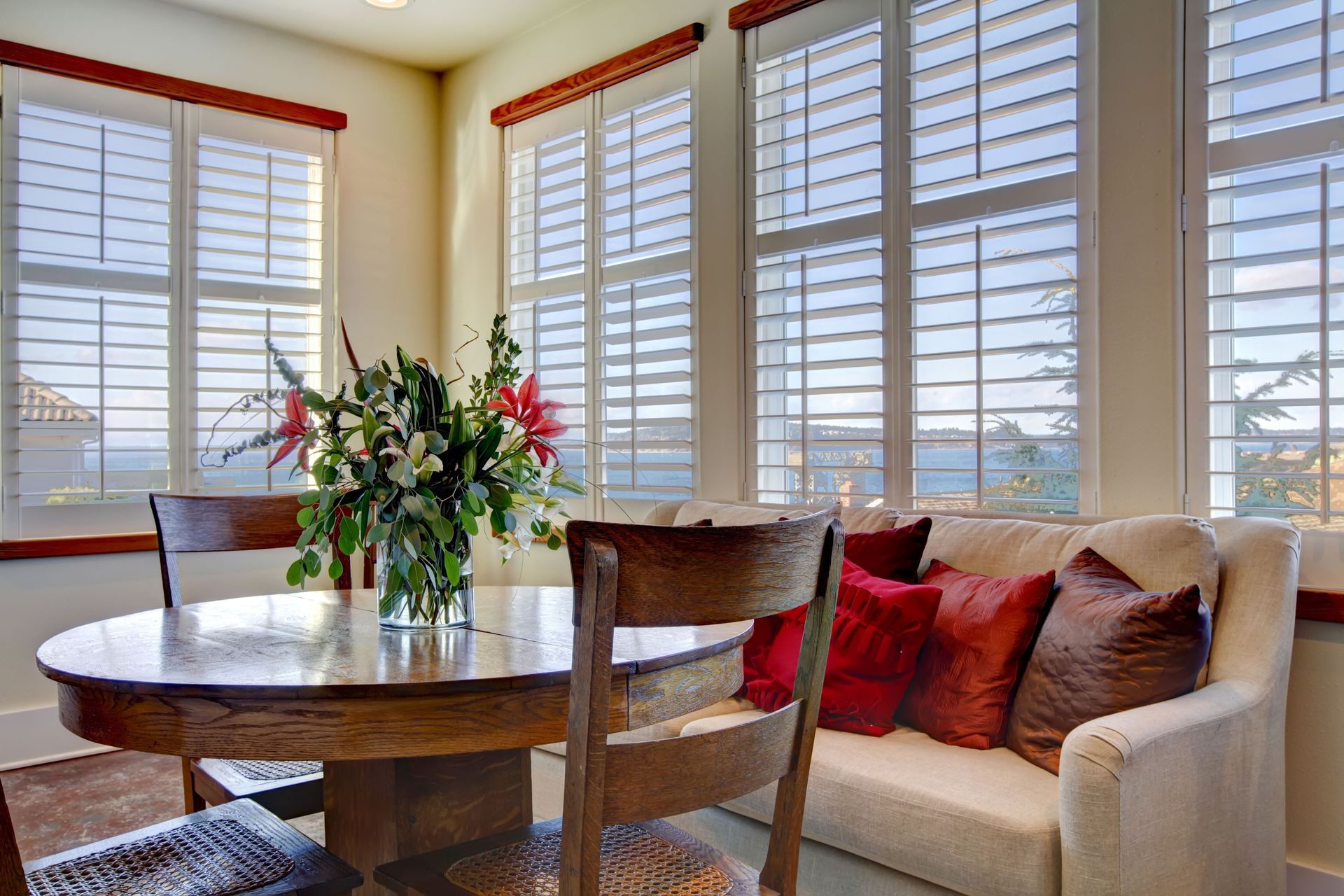
According to Houzz, 62% of homeowners prefer custom shades for their windows. This preference highlights the growing demand for personalized solutions that reflect individual taste while fitting specific layouts and design goals. Custom window treatments allow homeowners to select fabrics, finishes, and operating systems that complement ceiling height, trim work, and natural light patterns. Exterior options such as shutters also improve curb appeal by adding symmetry and visual consistency, which can influence first impressions before buyers ever step inside.
Design flexibility is another benefit that makes window treatments valuable from both a design and resale standpoint. From minimal roller shades to layered drapery systems, they adapt easily to changing trends or seasonal updates without requiring a full redesign. When thoughtfully selected, window treatments become design features rather than background elements, elevating the overall presentation of the home while supporting long-term visual appeal.
2. Improved Energy Efficiency
Energy performance is a practical reason many homeowners invest in window treatments, particularly in regions with seasonal temperature swings. Insulated curtains, cellular shades, and layered coverings help regulate indoor temperatures by reducing heat transfer through windows. This added barrier limits heat loss during colder months and reduces solar gain during warmer periods, supporting more consistent indoor comfort and lowering energy demand.
Light control also plays a significant role in overall efficiency. Adjustable window treatments allow residents to limit direct sunlight during peak heat hours while maximizing natural light during cooler parts of the day. This balance helps maintain comfortable living spaces without overly relying on artificial lighting or HVAC systems. Over time, these small adjustments can contribute to noticeable reductions in energy usage.
Modern solutions increasingly incorporate smart technology to improve efficiency even further. Automated window treatments respond to temperature changes, sunlight exposure, or preset schedules, optimizing energy use with minimal effort from homeowners. These features appeal to buyers who value efficiency paired with convenience and see smart home compatibility as a meaningful upgrade rather than a luxury.
3. Increased Privacy and Security
Privacy is essential in residential spaces, and window treatments provide dependable coverage without sacrificing style or comfort. They prevent unwanted visibility from neighboring properties or street-facing windows while still allowing homeowners to control brightness and openness throughout the day. This balance is especially important in living rooms, bedrooms, and ground-level spaces where privacy concerns are more prominent.
Blackout shades and layered window treatments enhance privacy in bedrooms and high-traffic areas where light control and discretion matter most. Some designs allow outward visibility while limiting views from the exterior, creating a sense of security without making spaces feel closed off or confined. These options help homeowners feel comfortable using their spaces at any time of day.
Smart controls further improve safety and peace of mind. Scheduled opening and closing can create the appearance of occupancy when residents are away, which may help deter unwanted attention. These functional benefits make window treatments particularly appealing to buyers who prioritize security, convenience, and control within their living environment.
4. Versatility in Functionality
The versatility of window treatments extends well beyond light control, making them useful in a wide range of living situations. Many options block harmful UV rays that can fade flooring, furniture, and artwork over time. This added protection helps preserve interior finishes, maintain color integrity, and reduce long-term maintenance costs associated with sun damage.
Sound absorption is another advantage that contributes to everyday comfort. Heavier fabrics, layered treatments, and specialized materials can reduce outside noise, improving interior acoustics in busy neighborhoods or urban settings. This makes living spaces more adaptable for work-from-home setups, relaxation, or entertaining without constant noise interruptions.
Automation enhances usability by simplifying daily adjustments. Integrated systems allow window treatments to connect with smart home platforms, enabling control through voice commands, remotes, or mobile apps. This level of functionality aligns with modern buyer expectations and supports a seamless living experience that blends comfort with technology.
5. Investment Value
From a resale perspective, window treatments represent a relatively low-cost upgrade with a noticeable impact on how a home is perceived. High-quality materials offer durability and visual appeal that lasts, reducing the need for frequent replacement or repairs. This longevity supports better value retention and adds to the overall sense of quality throughout the home.
Homes that include finished window treatments often feel more complete and move-in ready, which can influence buyer decision-making. Buyers appreciate features that eliminate the need for immediate upgrades or additional expenses after purchase. Well-selected window treatments contribute to this sense of readiness and care.
As real estate trends continue to favor comfort, efficiency, and thoughtful design, window treatments remain a reliable investment. Their ability to improve both appearance and functionality helps enhance livability while strengthening market appeal in competitive housing environments.
6. Customization and Personalization
Customization allows homeowners to tailor window treatments to unique layouts, window sizes, and design goals that standard options may not accommodate. This flexibility supports visual consistency across rooms while still allowing for individual expression where desired. Custom solutions also help address architectural challenges without compromising style.
Working with designers or specialists helps refine fabric choices, textures, and operating systems that suit both current needs and future updates. Customized window treatments can evolve alongside changing decor preferences while maintaining their relevance and usefulness over time.
Personalized solutions give homes character and distinction. Window treatments that reflect the homeowner’s style contribute to a finished, intentional look that resonates with potential buyers. This level of detail often signals care, quality, and thoughtful design throughout the property.
When chosen thoughtfully, window treatments offer far more than decorative value. They support energy efficiency, privacy, comfort, and visual cohesion while contributing to a stronger resale position. Beyond immediate benefits, they help create interiors that feel intentional, comfortable, and well maintained. These features also help homes photograph better for listings, creating cleaner lines and more balanced lighting in marketing materials. When combined with quality finishes and thoughtful layout choices, window treatments contribute to a polished presentation that appeals to buyers and supports confident pricing decisions.
Buyers often associate these qualities with higher overall value and long-term livability. As design preferences continue evolving, window treatments remain a flexible upgrade that adapts easily while reinforcing both style and function throughout the home. Looking for window treatments? Contact Blinds and Designs today.



Share On: