
7 Types of Window Treatments: Which Should You Choose for Your Home?
When it comes to designing a comfortable, stylish, and functional space, many people focus on furniture, flooring, or color palettes—but often overlook the importance of window treatments. These essential features don’t just dress up your windows; they also help control light, enhance privacy, and even contribute to energy efficiency. Whether you're remodeling your entire home or simply updating a few rooms, choosing the right type of treatment can make a big difference in how your space feels and functions.
There are countless styles, materials, and functions to consider, which can make the decision feel overwhelming. The good news? Once you understand the unique benefits of each type of window treatment, it becomes easier to choose the one that fits your space and lifestyle.
Here’s a breakdown of 7 common types of window treatments to help you decide which is right for your home.
1. Faux Wood Blinds
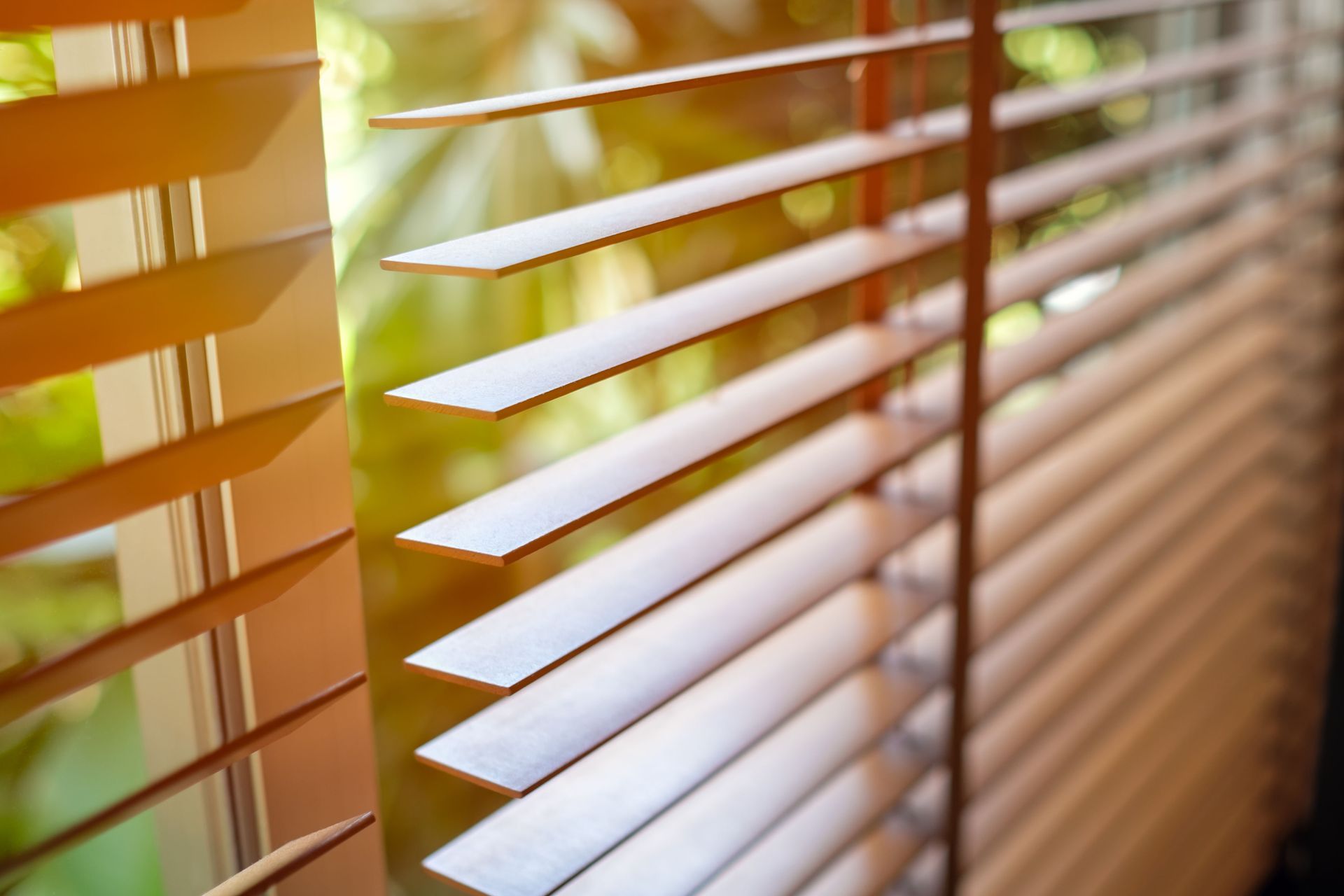
Faux wood blinds are a popular choice for homeowners who want the classic look of real wood without the higher cost or maintenance. Made from durable PVC or composite materials, these blinds are resistant to moisture, making them an excellent option for kitchens, bathrooms, or humid climates.
They offer a timeless aesthetic that works with traditional, transitional, or modern interiors. You can tilt the slats to control light and privacy or lift them completely to let in natural sunlight. Faux wood blinds come in a range of colors and grain patterns, allowing you to match your décor easily. Plus, they’re easy to clean—just a quick dusting or wipe with a damp cloth does the trick.
2. Vertical Blinds
For large windows or sliding glass doors, vertical blinds are a practical and stylish solution. These treatments use vertical slats that can rotate open or closed and slide to the side for full window access. They're especially useful in rooms where you want the flexibility to filter light without losing your view or privacy.
Vertical blinds are available in fabric, vinyl, or faux wood materials, offering different textures and colors to suit any room. They’re often used in living rooms or dining areas where you want an unobstructed view but still need shade or privacy when desired.
3. Cellular Shades
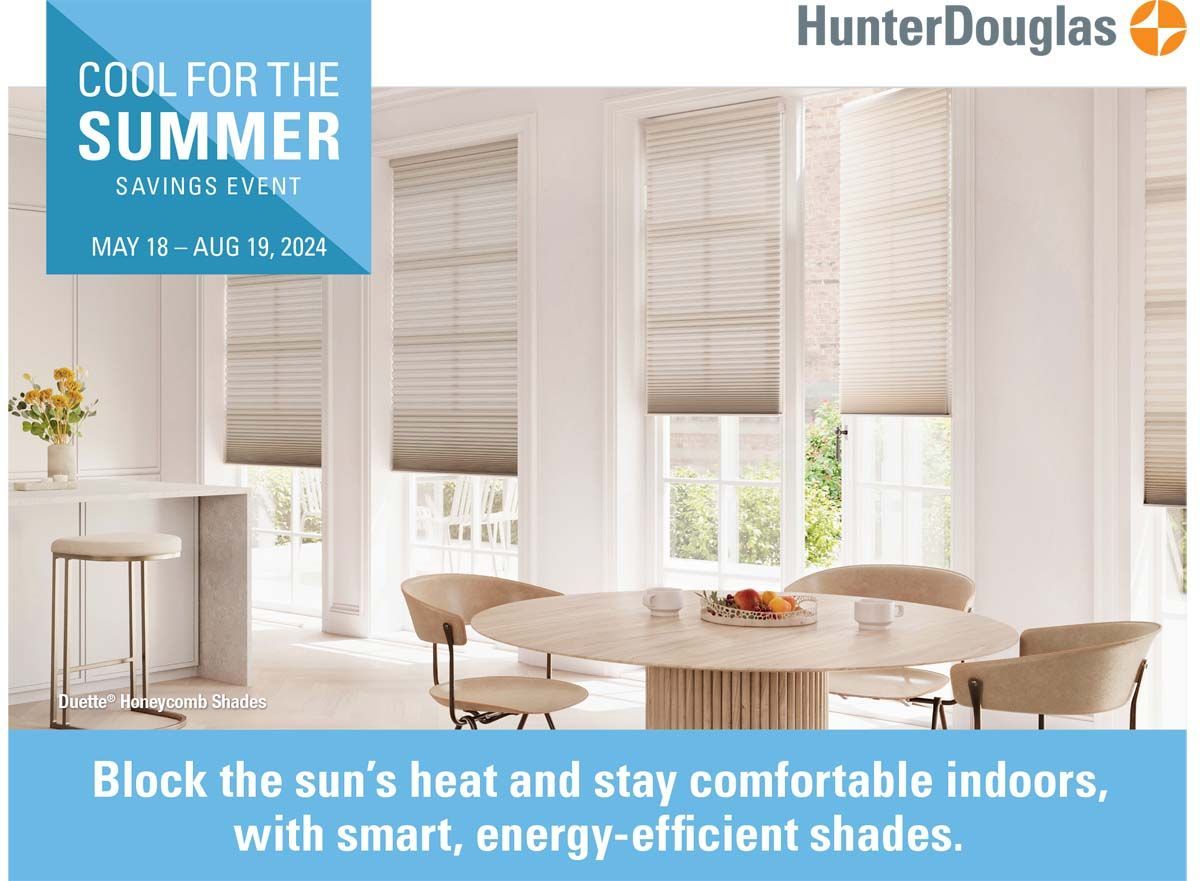
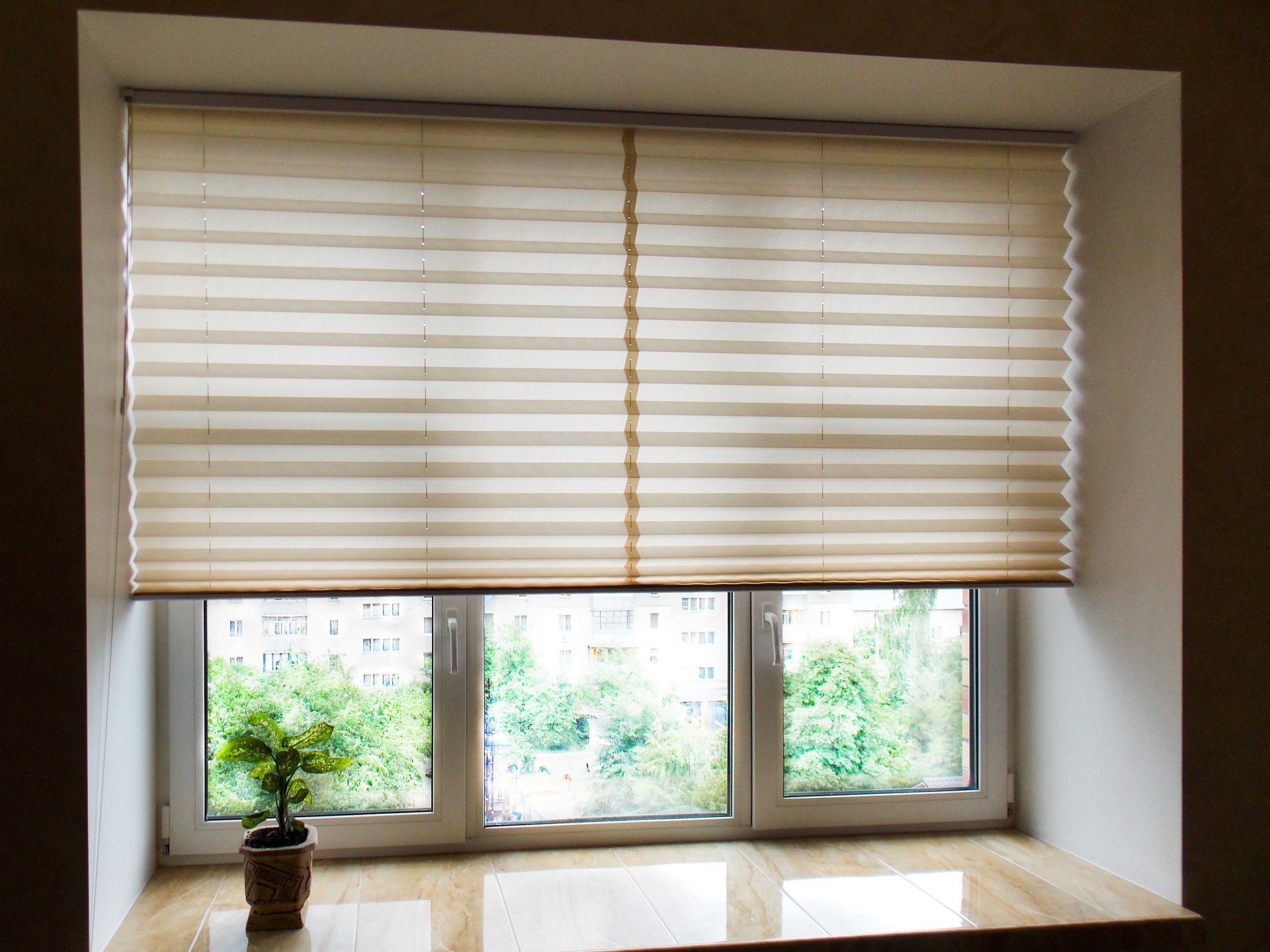
Cellular shades, also known as honeycomb shades, are among the most energy-efficient window treatments on the market. Their unique structure traps air in small pockets, creating an insulating layer that helps regulate indoor temperatures year-round. This not only makes your home more comfortable but can also lead to lower utility bills.
According to Future Market Insights, 70% of North American consumers prioritize temperature control and privacy in window treatments, with blackout curtains and cellular shades being their top choices. This statistic highlights how many homeowners are drawn to both the performance and practicality of this style.
Cellular shades are available in various opacity levels—from sheer to blackout—making them ideal for bedrooms, nurseries, or media rooms. They also come in top-down/bottom-up configurations, giving you more control over natural light while maintaining privacy.
4. Roller Shades
If you’re looking for a clean, minimalist look, roller shades may be the way to go. These shades operate using a simple rolling mechanism and are made from fabric or vinyl materials that roll up neatly when not in use.
Roller shades are incredibly versatile. They come in a range of colors, patterns, and textures, so they can be bold statement pieces or subtle additions to your décor. You can also select from various light-filtering options, including blackout fabrics for bedrooms or UV-filtering materials for sunrooms.
Since roller shades have fewer moving parts, they’re generally low maintenance and easy to use. They work well in modern, contemporary, or Scandinavian-style homes that favor simplicity and functionality.
5. Aluminum Mini Blinds
Aluminum mini blinds are a practical and budget-friendly choice that works well in both residential and commercial spaces. The thin, horizontal slats provide effective light control and privacy, and the aluminum construction makes them durable and resistant to moisture and bending.
They're especially useful in high-traffic areas or rooms that may require frequent cleaning, such as kitchens, offices, or children’s playrooms. Their sleek design and wide color selection allow them to blend in or stand out, depending on your design goals.
Mini blinds also offer precise light control—just adjust the tilt wand to change the angle of the slats and let in as much or as little sunlight as you want.
6. Blackout Curtains
Blackout curtains do more than darken a room. They’re also highly effective at reducing outside noise, adding insulation, and improving sleep quality. Ideal for bedrooms, home theaters, or nurseries, these curtains block up to 99% of external light, making them a favorite for shift workers or anyone who values a dark, restful environment.
These curtains typically consist of tightly woven fabric or have a special lining that prevents light from passing through. They come in a wide range of colors, patterns, and materials, so you don’t have to sacrifice style for function.
Blackout curtains pair well with other window treatments too. Layering them with blinds or shades can add visual depth while maximizing privacy and light control.
7. Cordless Shades and Blinds
Cordless window coverings are becoming increasingly popular for their clean appearance and added safety. Without dangling cords, these treatments reduce the risk of accidents for children and pets, making them a smart option for family homes.
Many types of blinds and shades—such as roller, cellular, or faux wood—come in cordless options. You simply raise or lower them with a light push or pull on the bottom rail.
Cordless systems are not only safer, but they also offer a more streamlined look that suits modern and transitional homes alike. They’re easy to use and often compatible with motorized systems for added convenience.
Choosing the right window treatment can feel overwhelming with so many options available, but narrowing your decision down to a few essential factors can make the process easier. First, consider the primary purpose. Are you prioritizing privacy, light control, insulation, or enhancing the overall style of your room? Your goal will guide which type of treatment makes the most sense.
Next, think about the room itself. In kitchens and bathrooms, where moisture is common, it’s important to choose materials that resist warping or damage—faux wood blinds or aluminum options often work well. For bedrooms or media rooms, blackout curtains or cellular shades are ideal to block out light and improve rest or screen visibility.
Your home’s design style also plays a role. The material, color, and shape of the window covering should complement your existing furniture and décor. For example, clean-lined roller shades might suit a modern space, while wood-toned blinds can add warmth to more traditional interiors.
Finally, factor in your budget. Some options, such as aluminum mini blinds, are cost-effective and functional. Others, like cellular shades, may come with a higher upfront cost but provide energy-saving benefits over time. By weighing these factors, you’ll be able to choose a window treatment that fits both your lifestyle and your living space.
Also, consider how much maintenance you're willing to take on. Some treatments require regular dusting or vacuuming, while others are virtually maintenance-free.
Window treatments are more than just decorative elements—they play a big role in how your home feels and functions. From energy-efficient cellular shades to stylish blackout curtains and moisture-resistant faux wood blinds, the right choice can improve comfort, enhance privacy, and express your personal style.
Ready to find the perfect window treatments for your home? Contact Blinds and Designs today to explore your options and get expert advice tailored to your style and needs.





Share On: